I work across a variety of industries as a copywriter, but food and beverage is among the most exciting. It’s expressive. Sensory-driven. Full of servings of humor and personality. It’s just plain fun.
I’ve truly come to appreciate how this specific field requires tapping into all of the above to make something that resonates. Drawing on some experience and my analysis of some of the most captivating food and beverage marketing, I've compiled five tips and examples to show you exactly what I mean.
1. Match the Voice to the Product:
A craft beer wouldn’t sound like a luxury wine. And a barbecue chip wouldn’t sound like plain salted. Right? Keep personification in mind: this involves understanding the experience of both being the product and consuming it. Try it for yourself, whether it’s a sock-you-in-the-mouth hot sauce or a sweet and sour candy, and embrace the feeling. The characteristics of the flavor can become the characteristics of your writing style.
Here are two great beverage examples:
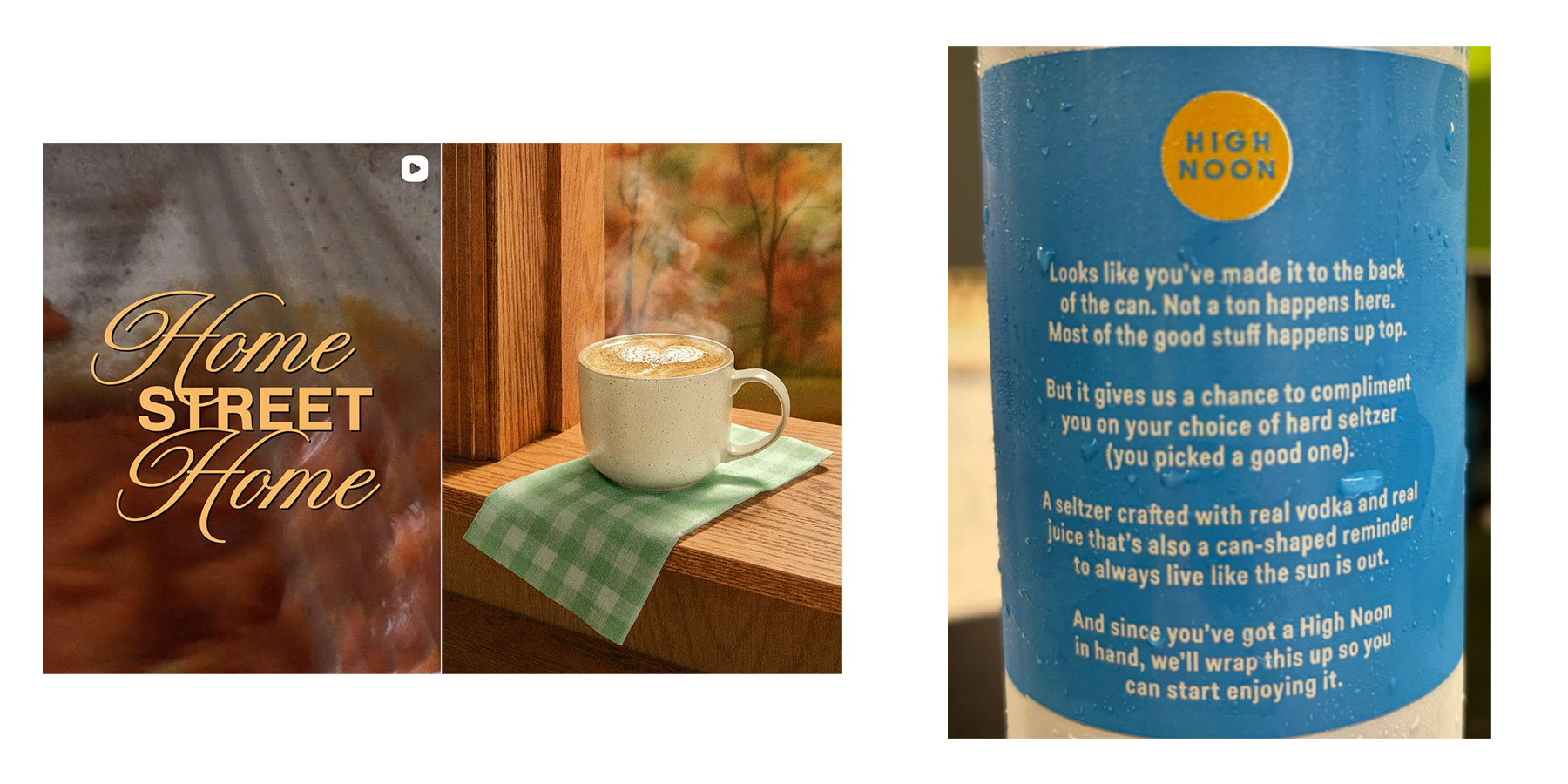
Autumn-themed drinks from Blank Street obviously sound cozy and welcoming, inviting the reader to lean into the sweet nostalgia of homemade flavors, and use the brand name to play on a common phrase–more on this tactic below.
And a summer seltzer rightfully sounds suave and bubbly.
Some of my favorite tidbits here are: “Most of the good stuff happens up top,” which gives the reader a smile, acknowledging the excitement of the first fizzy sip.
And “Can-shaped reminder to always live like the sun is out,” turns the product into a mood and signals a ritual of enjoyment.
2. Build in Layers of Flavor:
Some of the best copy I’ve seen and written gives the reader something to discover.
My favorite instance of this is when there’s a play on words or a twist of phrase.
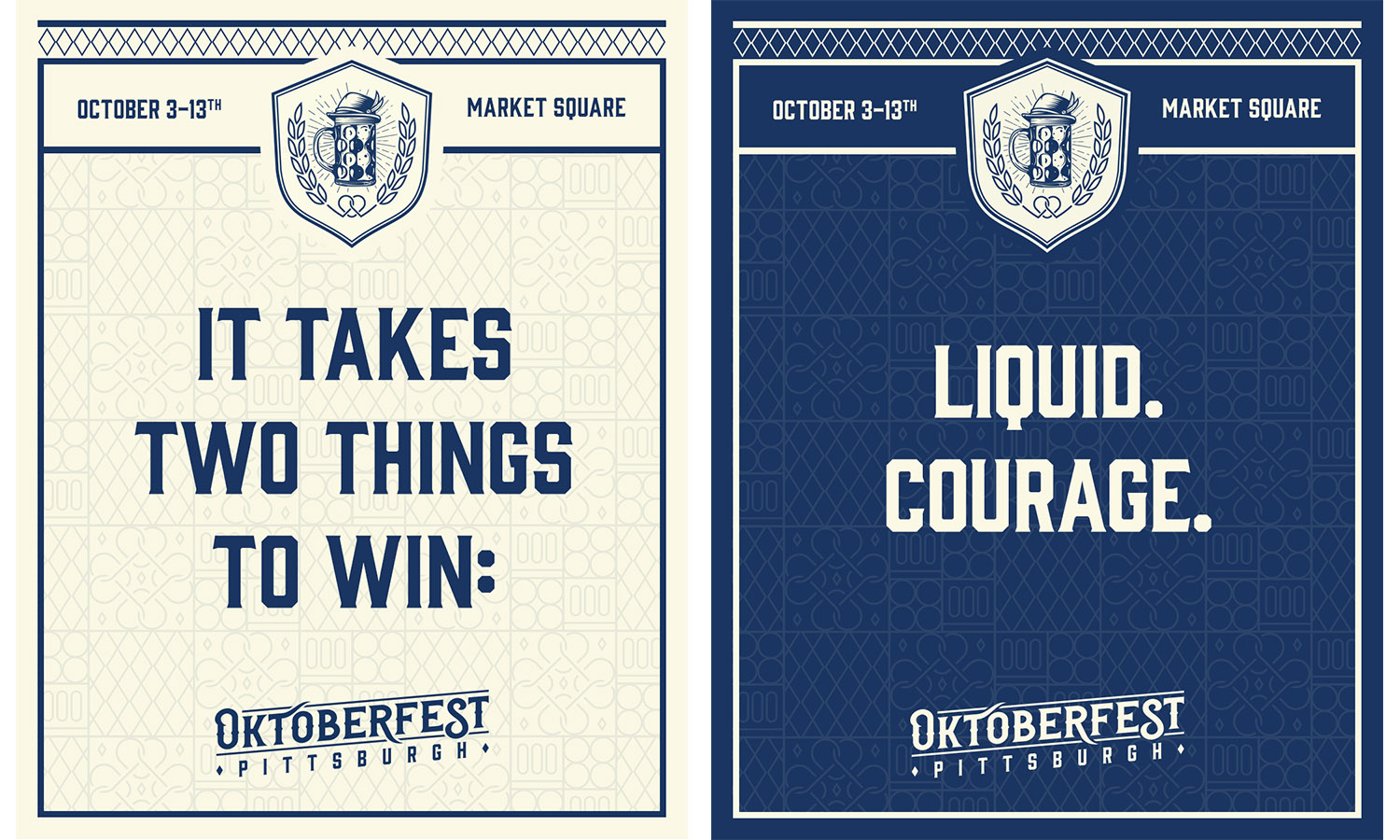
Food and beverage marketing is full of opportunities for this kind of wordplay. A hidden message inside a strong concept can be incredibly delightful. I’ve learned to test the waters and see if I can find the perfect word or phrase to complement a product, giving it some extra oomph.
Here’s an example I wrote for a Stein-holding competition (OK, not technically a food or beverage, but beer is involved. You get the idea.):
3. Add a Touch of Heat:
A little edge can go a long way. Sometimes it’s worth pushing past safe, expected copy, especially if the words honestly reflect the product. Surprising word choices or tones can wake up the copy and engage readers. Taste, experience and perception are emotional and personal, just as language is. If your words break the rules a little, they end up mirroring the product's sensory impact.
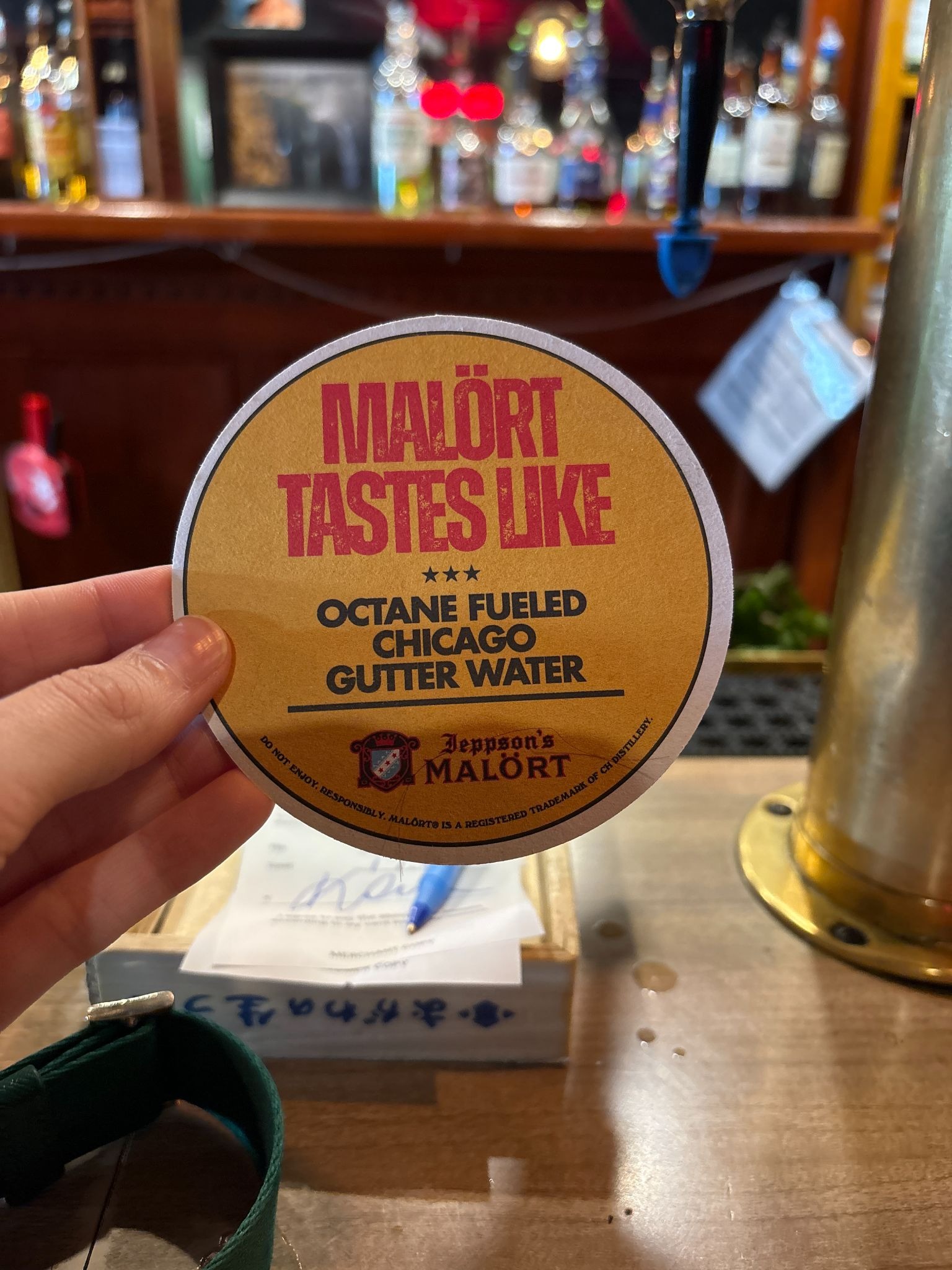
Let’s look at this very unhinged example for Malort, a famously bitter spirit from Chicago.
The copy even uses a twist in the fine print: “Do Not Enjoy, Responsibly,” playing off the usual legal disclaimer. This whole thing is *chef’s kiss* in my opinion:
4. Keep it Snackable:
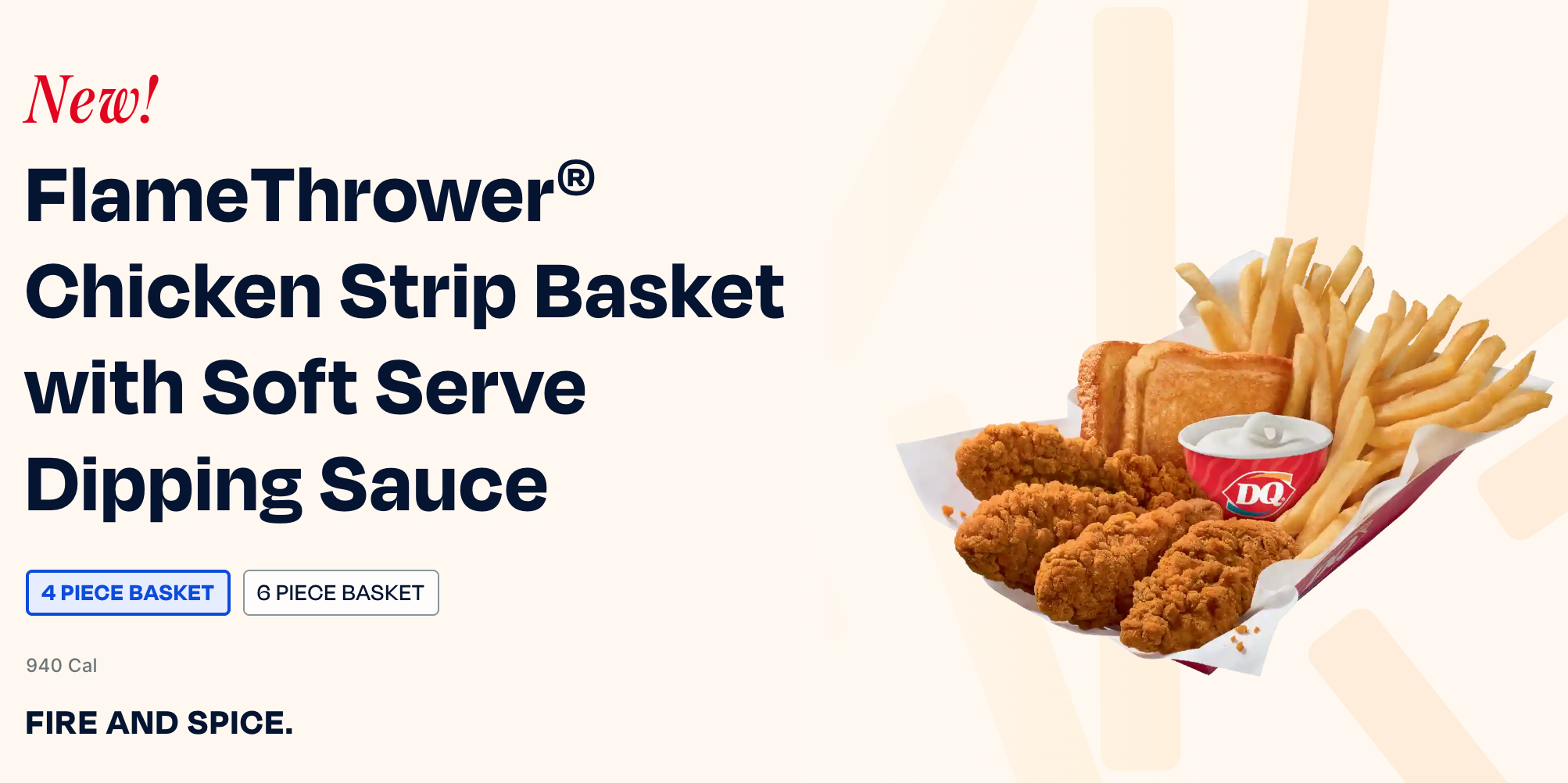
Short and sweet (or savory!) food marketing always keeps things efficient and hits hard. I think this is specifically true when the product name does all the talking. Think of a type of food that already speaks for itself, like “spicy chicken strips.” If the name is doing the heavy lifting, the copy just needs to land the punch.
I've found that strong copy often crafts a moment of craving, using just enough language to instantly sharpen it.
Here’s a snappy example from Dairy Queen that even leverages lesson #2, twisting the phrase “fire and ice”:
5. Go Beyond the First Bite:
Body copy is a great space to elaborate and bring the experience to life more deeply. Leading with the strongest line and tossing in keywords or information can catch the eye and add real value here.
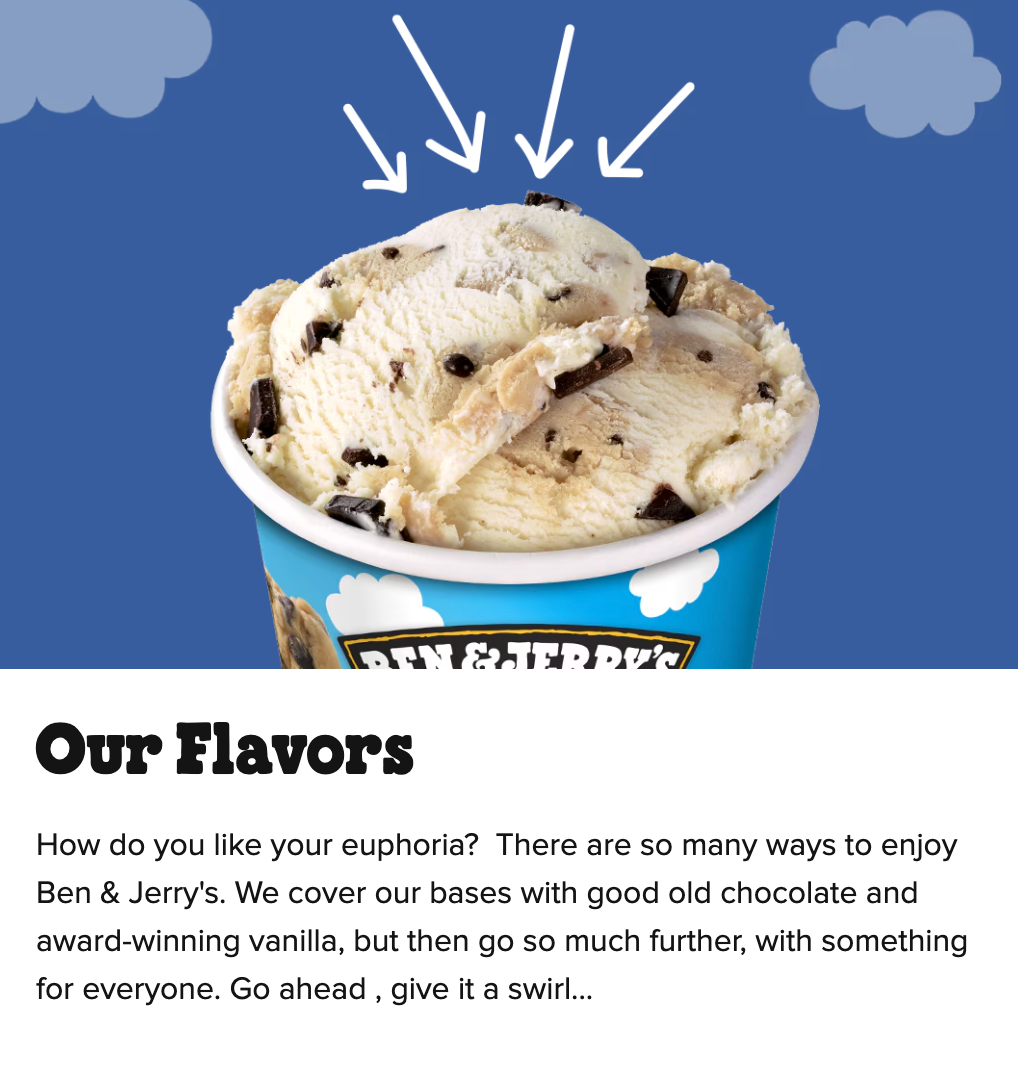
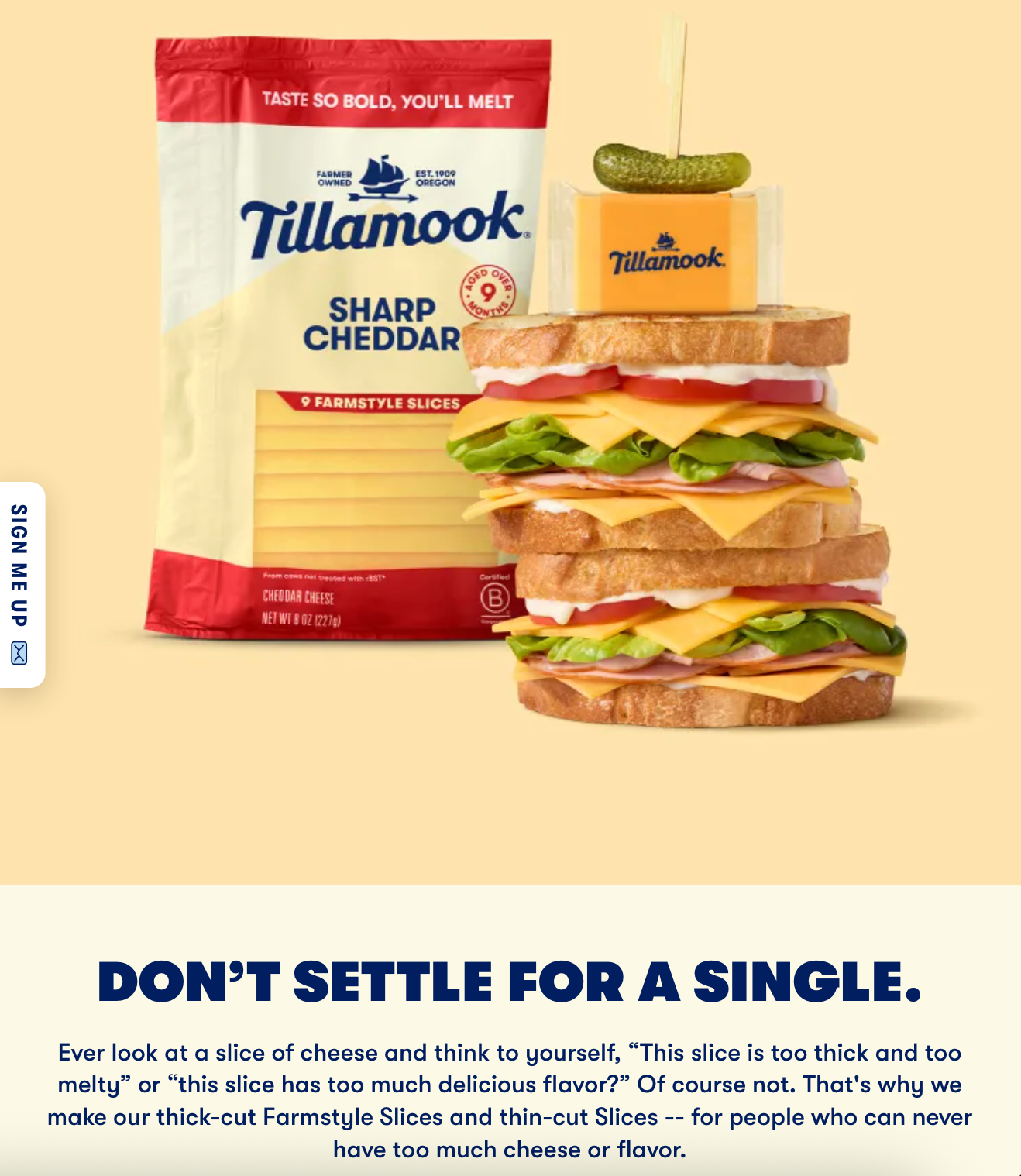
There’s something charming about supporting copy that does this in a light, conversational and casual way. This isn’t some uber-serious tech manual; it’s food people want to enjoy! Lean into the details and don’t hold back on personality. I’ve noticed that energetic touches here can make the copy and the product memorable.
Here are some examples I love for these same reasons from Ben & Jerry’s and Tillamook:
Taste and value coming together through words make my foodie-writer heart happy. While I don’t write exclusively in this category, it’s one I keep coming back to—and one I spend a lot of my free time studying.
Maybe this all started with reading Trader Joe’s packaging as a kid while my mom unpacked groceries, but something about the space has always stuck with me and continues to shape my work, especially in these early years of my career.
This category demands a level of care and a voice that’s distinctly its own, and being a student of it has made me sharper in everything else I create.
About Gatesman:
With offices in Pittsburgh and Chicago, Gatesman offers expertise in strategy/branding, advertising, public relations, social media, digital and analytics. Gatesman is a partner in AMIN Worldwide, an alliance of over 60 independent marketing agencies, IPREX, a global communications network and most recently the Ad Age Small Agency Network. Gatesman is also proud to be recognized as one of Ad Age’s Best Places to Work, reflecting its commitment to a strong, people-first culture.
###