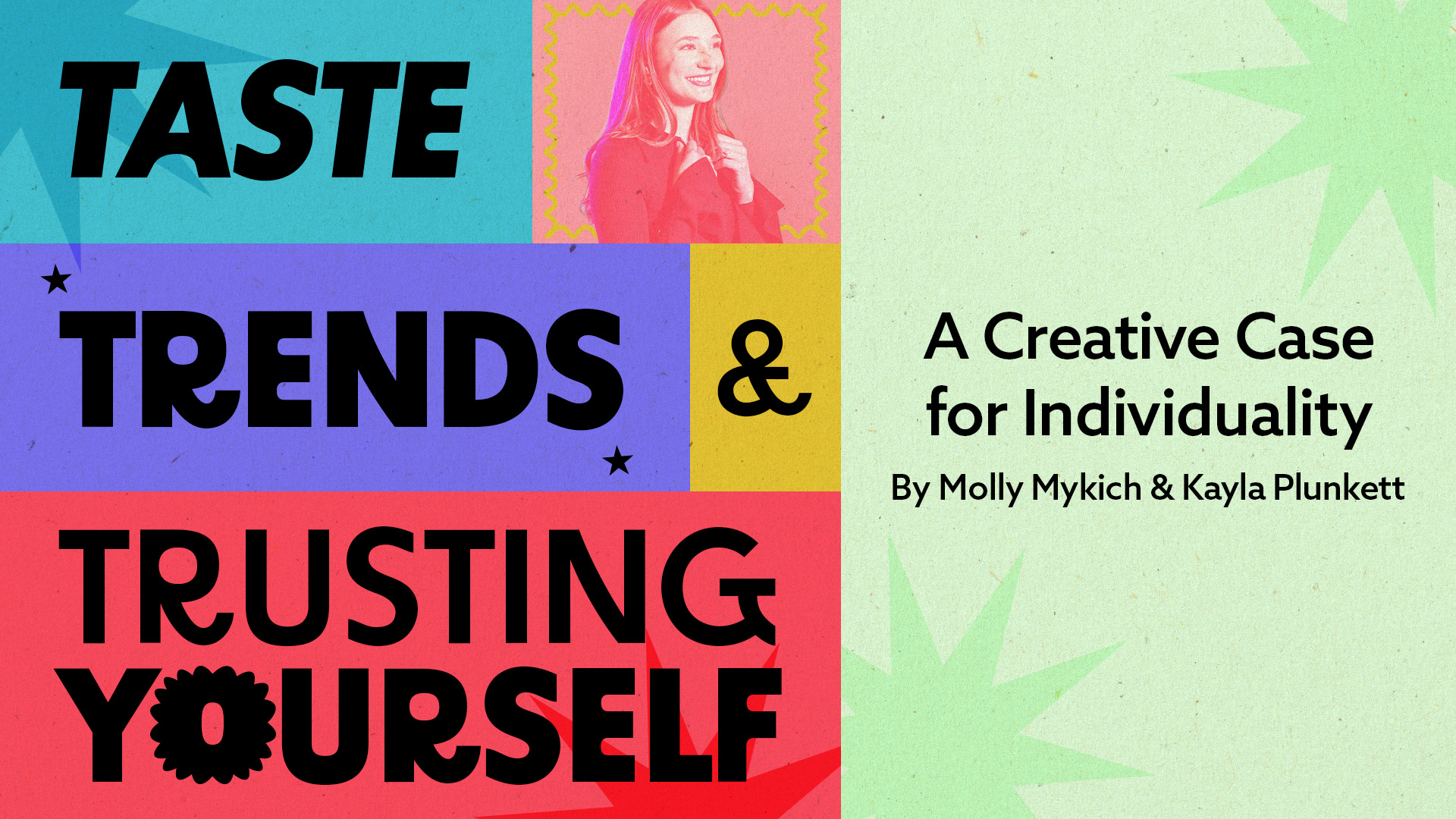
In a world obsessed with trends and reinvention, Molly Mykich, designer, believes the most memorable work comes from knowing who you are. Read on to explore her world of sourcing inspiration, staying true to your own tastes, and adapting your skills across different clients and industries.
KP: What outside interests or inspirations influence your design work most?
MM: I always try to stay on top of what other agencies and brands are doing, but I also look at Instagram creators and use their social media posts as references. I follow a ton of small designers and enjoy watching behind-the-scenes reels of their process. I think it’s important to take inspiration from different perspectives. In the wild, I like to get inspired at the grocery store when I browse the shelves. I’m obsessed with food and beverage packaging. You can get super creative in that space, and it's so interesting to see what brands are doing. Beauty and skincare are other industries where brands can be unique. Beauty brands can really push the boundaries, and in that field, it’s even encouraged to break the rules. You have to! With so many new products, you need to be different if you want to get noticed. Film is also a big interest of mine. I like taking inspiration from fun type treatments in title sequences, and I love animation, especially Studio Ghibli. I also have Sofia Coppola’s Archive book on my coffee table and love reading about how she brings her creative visions to life.
KP: What is the most unexpected source of inspiration you’ve drawn from?
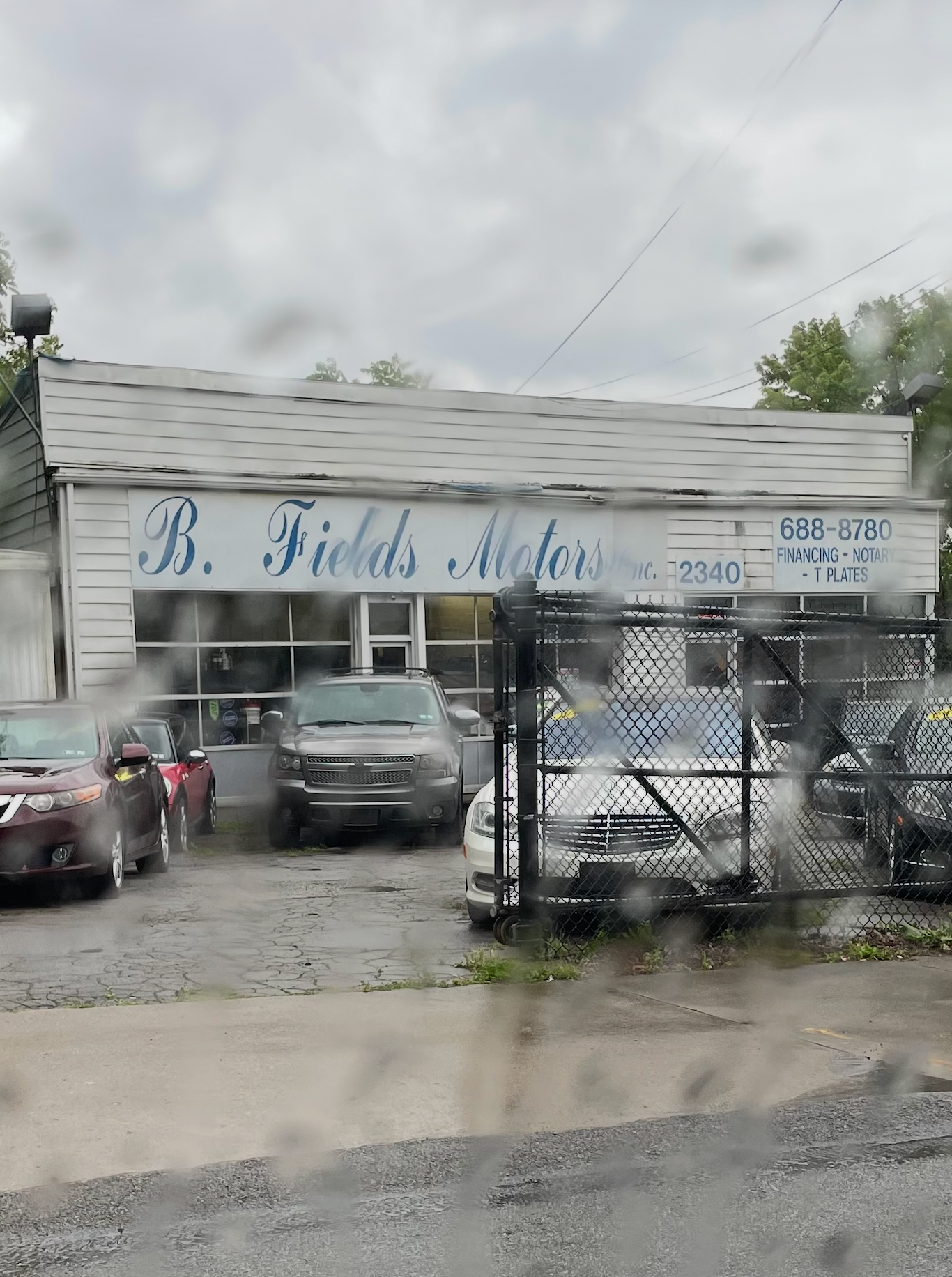
MM: It sounds cliché, but I think it should be encouraged to find inspiration in everything. I don’t believe any source is ever really "weird" or unexpected! I am always keeping my eyes open to the world around me, finding insight in things that aren't over-designed or polished. A good example is old antique store signs. In Pennsylvania, you can find them in most neighborhoods. I’m drawn to those raw, authentic designs. There’s an auto shop in my neighborhood that I always pass, and its sign has such a nice script. I even think these vintage and retro aesthetics are seeing a revival, and I've noticed this more recently in film and tech—leaning into those design tactics helps a brand connect more with its audience, which is really interesting.
KP: Are there any creative habits or rituals that consistently help you generate stronger ideas?
MM: One thing I like to do is take a step back. With how fast-paced our industry is, it’s easy to want to hit the ground running quickly. But before I even start concepting, I find inspiration from the insights the team has pulled. It’s important to understand our audiences and what will resonate with them, rather than creating just for the sake of making something “cool.” I zoom out and look at brands or competitors in the same space to make sure we’re standing out. I am big on moodboards too, and make them on Pinterest for all of my new projects. That's my favorite creative ritual in and outside of work. It's so easy to get sucked in and keep finding color palettes, photography, everything… Another habit of mine is thinking about a project on a walk or just day-to-day outside of work. New ideas come more freely to me then because I’m not forcing it or trying to “lock in.”
KP: How do you bring your own creative perspective to clients and industries with vastly different needs?
MM: That comes down to really knowing the brand and client. I like that we are open and have close relationships with our clients at Gatesman. This makes it easier to get a direct feel for what the client wants. I like hearing their live feedback and brainstorming with them when we’re able. A brand’s audience is very important for making each client's work feel unique. It’s particularly helpful when we can use data to our advantage and take information from focus groups, round tables, surveys, etc., and create work based on real people’s insights—I want to continue doing that more! It’s also helpful when our audiences are extremely small and segmented—this makes refining the creative direction easier, and we can speak directly to our unique audiences. After all, if you're trying to speak to everyone, you end up reaching no one.
KP: What’s one project–client or spec–that felt especially personal or creatively fulfilling to you?
MM: Definitely working with The Geena Davis Institute. Their projects are based on equitable representation in media, and that has been really fulfilling—I have the chance to work on things that will actually make a positive difference in the world. Sometimes in our industry, it’s easy to feel like you’re just making noise in an oversaturated market. With GDI projects, we can see in real time how we’re making a difference. I love the backstory of acquiring that client; it was just our small and mighty team, and it was so fun that they trusted us to bring their brand to life. It was creatively freeing.
KP: What’s a creative opinion you have that other designers might disagree with?
MM: Hot take—not every brand needs to have impeccable design or follow what's trending. Having individuality is so important. I see a lot of brands throw away the old “them,” and their entire ethos gets lost because they just simplify everything. A good example of staying true to your brand is Therabreath’s mouthwash label. It isn’t modern and doesn’t even look “good.” It has lengthy text blocks and contrasting colors, but it works for them. The brand has a long history and heritage. It feels medical, but it serves its purpose, and it’s built on trust. Not everyone needs a rebrand, in my opinion!
KP: If someone looked at all your work, what thread would make them recognize it came from you?
MM: Something I’ve come to appreciate about myself is my personal taste, which feels like it develops naturally over time for each designer, rather than being taught. Design is a craft, and you can improve your craft with practice, education, and experience, but taste is personal, and everyone has their own views. My taste leans toward an intentional approach that comes through in my work, but I’m also not afraid to take risks or break the rules. In advertising, we designers often get carried away making things look “pretty”, but the message also needs to come through. One of our main jobs is to grab attention or convince people of something. That’s why it’s important to work harmoniously across disciplines to make meaningful work.
KP: What products or brands have earned a permanent spot on your inspiration board?
MM: As I mentioned, I love food and beverage, and anything in the beauty or fashion industry, like clothing, makeup, haircare, and skincare. I'm guilty of collecting things I won't use, just because I like the way they look on the shelf. Graza olive oil was one of those things, but I actually do use it—it’s a great example of how packaging can drive the brand and the product. The squeeze bottle is functional but also looks awesome on the shelf and in the kitchen. It’s intentionally designed. Aside from just packaging, Skims and Rhode are examples of fashion and beauty brands that are good at tapping into what's “cool” or culturally relevant, and they are fast. They have their finger on the pulse! That's very inspiring to me. I notice that many winners at the big award shows lately are those who play into what’s relevant right now. There’s something to be said about brands that can correctly balance social media, attention spans, and pop culture. The industry requires a deep understanding of these things. If a brand just jumps on a trend or a pop culture moment for no reason, it works against them.
KP: What advice would you give up-and-coming designers trying to find their own voice?
MM: Expect to learn a lot. I never knew I would learn so much outside of school. School and work are completely different. You have to learn to adapt and work with client guidelines, audience constraints, etc. So get ready to lean into that across industries. It's been such a positive learning experience for me. I can't even explain it—I've gotten so much faster, worked with different teams, and touched a vast array of industries. Don’t be afraid to experiment, as well. A lot of the advice I see is to “find your niche,” but it’s also okay to flex and try working across categories. Make sure you’re bringing your own taste and personal touch to your projects. You can't lose your spark, curiosity, or creativity—Stay true to yourself. You know what you believe is good. Hold your work to the standards you’ve always had for yourself, and don't get knocked down by feedback. Break some rules, take on challenges, and keep it fun. Exercise your creative muscles.
KP: What makes creative work actually memorable to you?
MM: If it's something I wish I had made, it stays with me. I like it when a piece of work is unexpected for a brand or makes me think, “Why didn't I think of that?” We’ve started holding these internal creative sessions as a team to discuss those enviable, smart, insight-driven campaigns. We look at work that wasn’t made just for the sake of it. A few recent favorites from the team that are really memorable are the Coke "Thanks for Coke-Creating" and Warner Music Group’s “Saylists” Campaign.
Whether she's studying packaging, building moodboards, or collecting inspiration on a neighborhood walk, Molly approaches creativity with equal parts intention and curiosity. Her perspective is a reminder that while trends come and go, great design stands out when there is a clear point of view and the confidence to stay true to it.
About Gatesman:
With offices in Pittsburgh and Chicago, Gatesman offers expertise in strategy/branding, advertising, public relations, social media, digital and analytics. Gatesman is a partner in AMIN Worldwide, an alliance of over 60 independent marketing agencies, IPREX, a global communications network and most recently the Ad Age Small Agency Network. Gatesman is also proud to be recognized as one of Ad Age’s Best Places to Work, reflecting its commitment to a strong, people-first culture.
###
.jpg)